Three major initiatives in biodiversity genomics — BIOSCAN, Earth BioGenome Project, and Global Virome Project — have joined forces to deliver a “pandemic interception system” based upon comprehensive knowledge of pathogens and their hosts.
Endangered North Atlantic right whales are in much poorer body condition than their counterparts in the southern hemisphere, which is contributing to population decline of fewer than 410 animals.
The Same Processes That Threaten Wildlife Increase Our Risk of Spillover
As COVID-19 spreads across the globe, a common question is, can infectious diseases be connected to environmental change? Yes, indicates a study published today from the University of California, Davis’ One Health Institute.
PREDICT Project received a six-month extension from the U.S. Agency for International Development (USAID) to provide emergency support for COVID-19 outbreak response, effective April 1, 2020.
A New Twist Added to Decades of Sea Otter Research
A parasite known only to be hosted in North America by the Virginia opossum is infecting sea otters along the West Coast. A study from the UC Davis One Health Institute elucidates the sometimes surprising and complex pathways infectious pathogens can move from land to sea to sea otter.
First Report of Angolan-like Strain in Bats Since Initial Outbreak in People in 2005
Scientists have detected Marburg virus in fruit bats in Sierra Leone, marking the first time the deadly virus has been found in West Africa. Eleven Egyptian rousette fruit bats tested positive for active Marburg virus infection. Research teams caught the bats separately in three health districts.
Congratulations are due to Dr. Brian H. Bird, co-principal investigator for the Defense Advanced Research Project Agency (DARP)-funded Preventing Emerging Pandemic Threats (PREEMPT) project, as well as lead for Ebola-related surveillance activities as part of the USAID-funded PREDICT project led by UC Davis.
In conjunction with One Health Awareness Month, the One Health Institute is kicking off a contest urging students to explore their understanding and connection to the concept of "One Health."
2019 Rx One Health Field Institute participant shares her experience in this “crash-course” in One Health
Applications for the 2020 Rx One Health Field Institute are now open! This four-week, field-based experiential summer program in East Africa offers career training for recent graduates or students in medical and veterinary school, as well as early-career health, agriculture, environmental sciences, and conservation professionals.
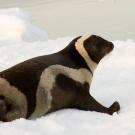
Scientists have linked the decline in Arctic sea ice to the emergence of a deadly virus that could threaten marine mammals in the North Pacific, according to a study from the University of California, Davis.